
How to Stop a Burst Pipe Fast
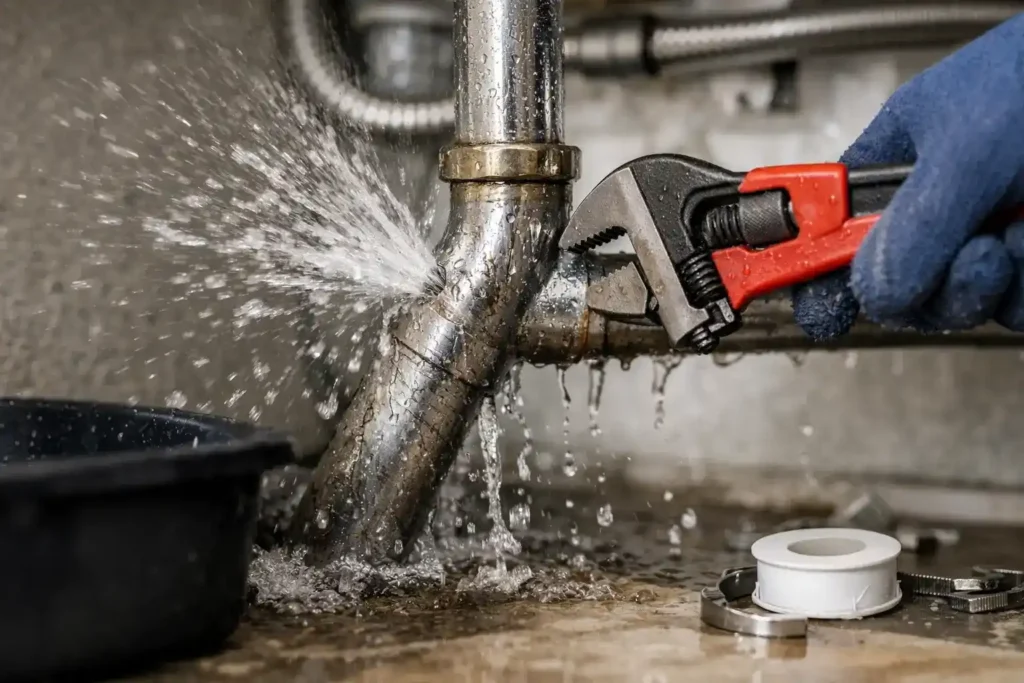
Water coming through a ceiling, pooling under a sink, or spraying from a wall is not the time to guess. If you need to know how to stop a burst pipe, the first priority is simple – stop the water supply fast, protect the area, and get professional repair moving before the damage spreads.
A burst pipe can ruin flooring, drywall, insulation, cabinets, inventory, and electrical components in a matter of minutes. In homes, that means expensive cleanup and possible mold issues. In commercial spaces, it can mean downtime, tenant complaints, and lost revenue. The good news is that the first few steps are straightforward if you act quickly.
How to stop a burst pipe in the first 5 minutes
Start by shutting off the main water valve. In most properties, this valve is located near the water meter, in a basement, utility room, crawl space, garage, or along an exterior wall where the main line enters the building. Turn the valve clockwise until it stops if it is a wheel-style shutoff. If it is a lever-style valve, turn it a quarter turn so it sits perpendicular to the pipe.
If the burst is isolated to a single fixture line and you can safely reach the local shutoff valve under a sink, behind a toilet, or near an appliance, you may be able to stop the flow there. But if water is moving fast or the source is not clear, go straight to the main shutoff. That is usually the fastest and safest move.
Next, turn off electricity to any wet area if water is near outlets, appliances, extension cords, or electrical panels. Do not step into standing water to do this. If the panel is in a wet area, leave it alone and call for emergency help.
After the water is off, open nearby faucets to drain the remaining pressure from the plumbing system. Flush toilets once if needed. This will reduce continued dripping and take stress off the damaged line.
Then start containing water. Use towels, buckets, mops, or a wet vacuum if you have one. Move furniture, boxes, electronics, and anything absorbent away from the leak path. If water is coming through a ceiling, place a bucket under the bulge and carefully puncture the center of the sagging drywall to release trapped water in a controlled way. It is messy, but it can prevent a wider ceiling collapse.
What not to do when a pipe bursts
Do not ignore a small crack because it seems manageable. A pipe that has already split can fail wider without warning. Do not run water anywhere else in the building until the line is assessed. Do not use heat guns, torches, or open flame near wet walls or pipe repairs. And do not assume the problem is over once the spraying stops. The water may be off, but structural damage can continue if trapped moisture is left in place.
Temporary fixes have limits too. A clamp, rubber patch, or pipe repair tape may slow a leak, but these are short-term control measures, not permanent repairs. They can buy time while a plumber is on the way. They should not be treated as a finished solution, especially on older, corroded, or frozen lines.
Temporary ways to slow the leak
If the pipe is visible and accessible after the main water is shut off, you can try a temporary patch. Wrap the damaged section tightly with rubber, such as a piece cut from a hose or thick gasket material, then secure it with a pipe clamp or heavy-duty hose clamp. Pipe repair tape or epoxy can also help on a clean, dry section of pipe.

This only works in the right situation. If the pipe is badly split, located behind a wall, cracked at a fitting, or part of a larger freeze-related failure, a temporary patch may do very little. It is best used to reduce dripping, not to restore normal use.
If the burst pipe is overhead or inside a finished wall, focus less on patching and more on damage control. Keep the water off, protect the area, and get a licensed plumber onsite.
Signs the burst pipe is worse than it looks
Some pipe failures are obvious. Others show up as secondary damage before you ever see the break. If you notice water stains spreading across drywall, bubbling paint, warped flooring, reduced water pressure, strange banging noises in the line, or sudden spikes in your water bill, the issue may be larger than one visible leak.
In winter, frozen pipes are a major trigger. A section may thaw slowly and begin leaking in one area while other weakened spots stay hidden. In older homes and commercial buildings, galvanized steel, aging copper, and poorly supported lines can fail in more than one place. That is why a complete inspection matters after any burst pipe event.
Common causes of burst pipes
Freezing temperatures are one of the biggest reasons pipes burst in the Kansas City area, especially in uninsulated walls, crawl spaces, attics, garages, and vacant properties. But freezing is not the only cause. Corrosion, excessive water pressure, poor installation, shifting foundations, clogs, and worn fittings can all split a pipe.
Commercial properties sometimes see burst lines after pressure changes, neglected maintenance, or after-hours heating failures. Apartment units and rental homes often have hidden pipe runs that allow a leak to spread before anyone notices. The cause affects the repair approach, so it is not just about stopping the current leak. It is about preventing the next one.
When to call a plumber immediately
If you cannot find the shutoff valve, if the pipe is inside a wall or slab, if water is affecting ceilings or electrical areas, or if the property has multiple leaks, call for emergency plumbing service right away. The same goes for frozen pipes, commercial buildings, repeated pipe failures, and any situation where you need water restored quickly and safely.
Professional repair is usually faster and less expensive than dealing with preventable damage later. A plumber can isolate the failure, replace the damaged section, test system pressure, inspect nearby piping, and check for hidden moisture or additional weak points. In many cases, what looks like one burst pipe is really a warning sign from an aging plumbing system.
Kansas City Plumbers Today handles emergency burst pipe calls with fast dispatch, clear pricing, and repairs built to hold. When water is moving where it should not, speed matters.
How plumbers repair a burst pipe
The repair depends on the pipe material, location, and extent of damage. A simple exposed copper or PEX line may only need a section cut out and replaced. A cracked fitting behind a wall may require opening drywall, replacing connectors, and checking for soaked insulation. A freeze event in a crawl space or attic may involve multiple repairs, pipe insulation, and recommendations to prevent another failure.

For older properties, a single repair can turn into a larger conversation about repiping. That does not mean every burst pipe requires a major project. It means the right fix depends on the condition of the overall system. Spot repairs are cost-effective when the rest of the line is sound. If failures are repeating, replacement may save money over time.
How to reduce damage after the water stops
Once the active leak is controlled, air movement matters. Use fans and dehumidifiers if you have them. Remove soaked rugs, cardboard, and fabric items quickly. Pull wet contents out of cabinets if water got underneath. Take photos of the damaged area and affected belongings for insurance documentation before cleanup goes too far.
Keep an eye on trim, baseboards, and lower drywall for swelling over the next day or two. Hidden moisture does not always show up right away. If the leak affected a ceiling cavity, wall insulation, or subfloor, drying may require more than surface cleanup.
Preventing the next burst pipe
Prevention is usually cheaper than emergency restoration. Insulate exposed pipes in unheated spaces. Seal air leaks around crawl spaces, rim joists, and exterior wall penetrations. Keep indoor temperatures stable during freezing weather, even in vacant units. Disconnect hoses from exterior spigots and shut down irrigation lines before winter hits.
It also helps to know where your main shutoff valve is before you need it. Every homeowner, property manager, and maintenance lead should know that location. In commercial settings, staff should know who has access and what the emergency response plan is after hours.
A burst pipe is one of those problems that gets expensive fast, but the first move is always the same: shut off the water, protect the property, and get the repair handled before a bad situation turns into a major rebuild.
Kansas City Plumbers Today offer fast, reliable home services for plumbing installation or repair, HVAC and professional electrical services.
With extensive experience in handling common and complex issues or emergency service, our team saves you time and money, ensuring your home services are conducted with the utmost professionalism and efficiency.