A toilet that bubbles, burps, or gurgles when you flush is not just making an odd noise. It is usually telling you that air cannot move correctly through the drain system. If you are asking, “why is my toilet bubbling,” the answer may be as simple as a nearby clog, or as serious as a developing sewer line backup. Acting early can prevent wastewater from reaching your bathroom floor, basement, or commercial property.
Why Is My Toilet Bubbling Instead of Flushing Normally?
Your plumbing system needs water and air to move together. When water travels through a drain pipe, air must escape through the plumbing vent system. If a clog, blockage, or vent issue interrupts that airflow, the air looks for another way out. The toilet bowl is often the easiest place for it to surface.
That is why you may hear gurgling after a flush, see bubbles rise in the bowl, or notice the water level briefly move up and down. The sound can happen immediately after flushing, when a sink drains, when the washing machine empties, or even when a neighbor in a shared building uses water.
A single bubbling toilet deserves attention. Bubbling combined with slow drains, sewage odors, or water backing up in a tub is a stronger warning that the main drain or sewer line needs professional diagnosis.
The Most Common Causes of a Bubbling Toilet
A clog in the toilet trap or branch drain
A partial clog in the toilet itself is one of the more manageable causes. Too much toilet paper, “flushable” wipes, paper towels, hygiene products, or a small object can restrict the pipe. Water can still pass through, but it moves slowly enough to create pressure changes and gurgling.
A proper flange plunger may clear a minor toilet clog. If the toilet repeatedly bubbles or needs frequent plunging, stop treating it as a simple clog. The obstruction may be farther down the drain line, where a plunger cannot reach it.
A blocked plumbing vent
Vent pipes typically extend through the roof and allow sewer gases and air pressure to release safely. Leaves, nesting material, ice, debris, or damage to the vent can prevent the system from breathing. When that happens, nearby fixtures may gurgle as water drains.
Vent problems can be difficult and unsafe to inspect without the right equipment. Roof access is one concern, but locating the actual restriction is another. A plumbing professional can test the drainage system and determine whether the problem is a vent blockage or a drain-line obstruction.
A main sewer line clog
This is the problem homeowners and property managers should take seriously. The main sewer line carries wastewater from the building to the municipal sewer connection or septic system. When it begins to clog, toilets may bubble because wastewater and air are being forced back toward the fixtures.
Main line clogs are often caused by grease buildup, wipes, excessive paper products, scale inside aging pipes, foreign objects, or roots entering cracks and joints. Older Kansas City-area properties can also have deteriorated clay, cast iron, or Orangeburg piping that is more vulnerable to movement, corrosion, and intrusion.

Tree root intrusion or damaged sewer piping
Tree roots naturally seek moisture. Even a small crack in an underground sewer pipe can attract roots, which expand inside the line and trap waste. The result is often a recurring cycle: drains slow down, the toilet gurgles, the line is cleaned, and the symptoms return weeks or months later.
Repeated backups require more than another temporary clearing. A sewer camera inspection can show whether roots, collapsed pipe sections, offsets, heavy scale, or breaks are creating the issue. Depending on the pipe condition, the right repair may involve drain cleaning, hydro jetting, spot repair, trenchless pipe lining, or replacement.
A problem with a septic system
If your property uses a septic tank, bubbling can mean the tank is full, the outlet baffle is obstructed, or the drain field is not accepting wastewater properly. Do not keep sending water down the drains while waiting to see whether it improves. Limit water use and arrange service promptly to reduce the chance of a sewage backup inside the building.
When Toilet Bubbling Is an Emergency
A toilet that gurgles once after a large flush may not be an immediate emergency. A toilet that bubbles while multiple fixtures drain is different. Treat the situation as urgent when you notice any of these signs:
- Water or sewage comes up in the shower, tub, floor drain, or basement drain.
- More than one toilet, sink, or tub drains slowly at the same time.
- Flushing one toilet causes bubbling in another fixture.
- You smell sewage indoors or outside near the sewer line.
- The toilet water rises close to the rim or overflows.
- The problem keeps returning after you plunge or use a drain cleaner.
If wastewater is backing up, stop using water throughout the property. Do not run the dishwasher, washing machine, showers, or sinks. Every gallon sent into a blocked sewer line can increase the backup. Keep people and pets away from contaminated water, especially in a commercial space where a sewage issue can interrupt operations and create a sanitation concern.
What You Can Do Before a Plumber Arrives
Start by checking whether the bubbling is isolated to one toilet or affects other fixtures. Flush only once if the bowl is at a normal level. If the water rises, do not flush again. You can close the toilet’s shutoff valve behind the fixture if there is an overflow risk.
For a clearly isolated toilet clog, use a flange-style toilet plunger with enough water in the bowl to cover the rubber cup. Create a firm seal and use controlled, steady strokes. Avoid aggressive chemicals. Chemical drain cleaners can damage older pipes, create fumes, and make professional repair more hazardous without removing a serious blockage.
Do not use a standard drain snake down a toilet unless you know how to protect the porcelain and navigate the trap. A toilet auger is safer for a nearby obstruction, but it will not fix a main sewer line problem. If sinks, tubs, or other toilets are involved, professional drain and sewer equipment is the right next step.
How Professionals Find the Real Cause
The fastest repair starts with an accurate diagnosis. A qualified plumber will ask when the bubbling occurs, which fixtures are affected, whether backups have happened before, and whether the property has older sewer piping or large trees near the line.
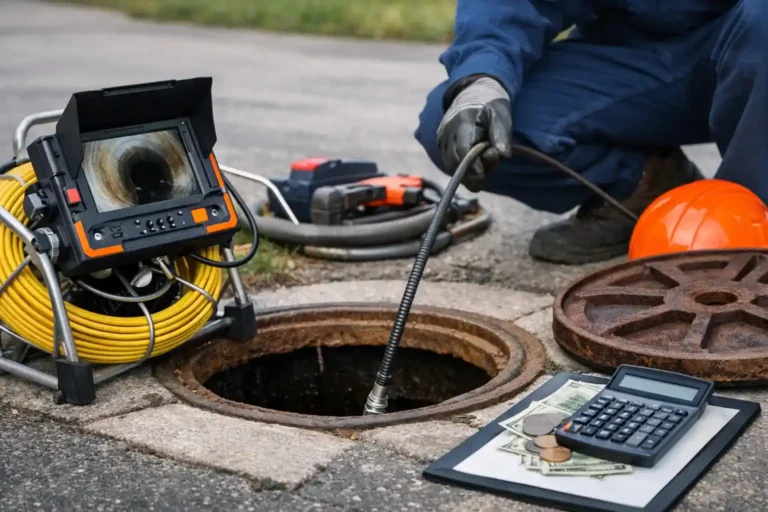
From there, the technician may inspect the toilet, test nearby drains, locate the cleanout, and use a sewer camera to inspect the pipe from the inside. Camera diagnostics prevent guesswork. They can reveal whether the line has a soft clog, root intrusion, pipe damage, standing water, or a structural failure that needs a different repair approach.
For many clogs, professional cabling or hydro jetting restores flow. Hydro jetting uses high-pressure water to clear grease, sludge, roots, and buildup, but it is not appropriate for every fragile or severely damaged line. That is why inspecting the pipe condition first matters. The goal is not simply to get water moving today. It is to prevent the next backup.
FAQ: Why Does My Toilet Gurgle When the Washing Machine Drains?
A washing machine discharges a large volume of water quickly. If the shared drain line is restricted or the vent system cannot equalize pressure, that fast discharge can pull air through the toilet trap and create bubbles. This often points to a branch drain, main line, or venting issue rather than a problem with the toilet alone.
Can a Bubbling Toilet Fix Itself?
A minor paper clog may clear after normal use, but recurring bubbling should not be ignored. Root intrusion, pipe damage, vent blockages, and main line clogs generally worsen over time. Waiting can turn a service call into a cleanup and restoration problem.
Is It Safe to Use Drain Cleaner for a Gurgling Toilet?
No. Chemical cleaner rarely solves the underlying cause of toilet bubbling and can harm pipes, seals, and fixtures. It may also leave dangerous chemicals behind if the drain needs to be opened or serviced. Mechanical clearing and camera inspection are safer, more reliable options for persistent symptoms.
When your toilet starts bubbling, treat it as an early warning, not a nuisance to live with. Kansas City Plumbers Today provides fast diagnosis, clear pricing, and 24/7 emergency plumbing help for toilet, drain, and sewer problems before a gurgle becomes a costly backup.
Contact