Understanding Why Your Drain May Smell Bad at Home
You notice it when you run the sink, open the cabinet under it, or walk past a floor drain – that nasty sewer-like smell that makes the whole room feel dirty. If you’re asking, why does my drain smell bad, the short answer is that something in the drain or vent system is letting gas, bacteria, or rotting debris rise back into your space. Sometimes it is a simple fix. Sometimes it is an early warning sign of a clog, sewer issue, or plumbing defect that should not wait.
A bad drain odor is more than a nuisance. In homes, it can point to buildup, hidden leaks, or a dry trap. In restaurants, offices, rentals, and other commercial properties, it can also become a tenant complaint, customer issue, or sanitation concern fast. The key is figuring out whether the smell is coming from the fixture itself, the branch drain, the venting system, or the main sewer line.
Why does my drain smell bad in the first place?
Most drain odors come from one of a few sources. The first is organic buildup. Soap scum, grease, hair, food particles, and biofilm collect inside the pipe and start to break down. That creates a sour, musty, or rotten smell. Kitchen drains usually smell from grease and food residue. Bathroom drains often smell from hair, soap, and bacteria.
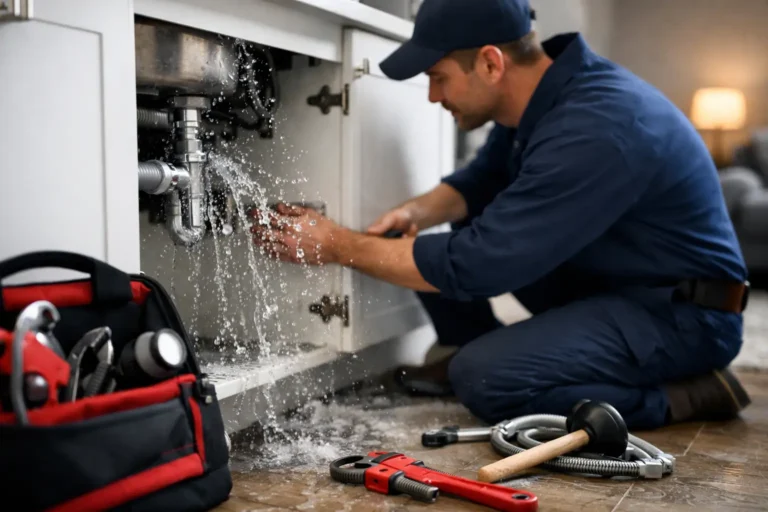
The second common cause is a dry P-trap. That curved section of pipe under a sink or tied into a floor drain is supposed to hold water. That water acts like a seal, blocking sewer gases from coming back up. If the drain has not been used in a while, the water can evaporate. Once that happens, sewer odor has a direct path into the room.
The third issue is a clog that is starting to worsen. Partial blockages trap waste and slow the flow of water. The drain may still work, but not well enough to fully clear debris. That gives odor-causing material time to sit, rot, and spread smells upward.
Then there are plumbing system problems. A cracked drain line, loose connection, blocked vent stack, or sewer line issue can all create bad smells. Those problems usually do not stay minor for long. If the odor is strong, widespread, or keeps coming back after cleaning, there is a good chance the issue is deeper than the fixture.
The smell can tell you a lot
Not every bad odor means the same thing. A sour or stale smell often points to buildup in the drain. A rotten egg smell can suggest sewer gas, though in some cases it may also be related to bacteria interacting with water in the system. A sharp sewage smell usually means the trap is dry, the venting is off, or sewer gas is escaping where it should not.
If the smell gets worse when water drains, that often suggests a venting issue or partial blockage. If it is strongest first thing in the morning or after a property has been vacant, a dry trap is more likely. If the odor shows up in multiple drains at once, the problem may be in the main drain or sewer line rather than a single sink or shower.
That distinction matters. A smelly bathroom sink is usually a localized cleaning or trap issue. A home or building with odors in several rooms may need camera inspection, drain clearing, or sewer diagnostics right away.
Drain smell by fixture: what usually causes it
Kitchen sink drains
Kitchen drains work hard, and they collect more grease than most people realize. Even if you never pour bacon grease down the sink, oils from food, sauces, dairy, and dishwashing can coat the pipe walls over time. Food debris sticks to that layer and starts to decompose. Garbage disposals make this worse when they are used like trash cans instead of a light food-rinse aid.

If the kitchen sink smells bad only when the dishwasher runs, the issue might be in the dishwasher drain connection or a buildup in the disposal. If the smell comes from one side of a double sink, the clog may be forming in that trap arm.
Bathroom sink drains
Bathroom sink odors are usually caused by biofilm. Toothpaste, shaving cream, soap, skin oils, and hair create a sticky layer inside the pipe. It does not always cause a full clog, but it can create a strong smell. Overflow openings in bathroom sinks are another common source. Water and residue collect there, and because it is out of sight, it often gets missed during cleaning.
Shower and tub drains
Hair is the usual culprit here. It catches soap and body oils, then starts to hold moisture and bacteria. The drain may still appear to work, but slow movement below the visible opening can create odor long before a full backup happens.
If a basement shower or guest bathroom smells and is rarely used, check the trap first. An unused tub or shower drain can dry out quietly and start releasing sewer gas.
Floor drains and utility drains
These are frequent odor sources in basements, laundry rooms, mechanical rooms, and commercial spaces. Floor drains are easy to forget because they are not used every day. Once the trap dries out, sewer gas enters the room. In some cases, old floor drains also have failing trap seals, broken lines, or buildup from years of sediment.
What you can try safely before calling a plumber
If the smell is limited to one drain and there is no backup, gurgling, or standing water, a basic cleaning may help. Start by flushing the drain with hot water, then clean the stopper or visible drain components. In bathroom sinks and tubs, removing hair and soap residue can make a big difference.
For a dry trap, the fix may be as simple as pouring water into the drain and waiting a few minutes to see if the smell fades. In rarely used floor drains, adding water periodically can keep the trap sealed. Some property owners also use a small amount of mineral oil after water to slow evaporation, though that depends on the fixture and how often it is used.
You can also clean sink overflow openings gently if that is where the odor is coming from. What you should not do is keep dumping chemical drain cleaners into a smelly drain without knowing the cause. Those products can damage pipes, create safety hazards, and still leave the real issue untouched.
When a bad-smelling drain is a bigger problem
A persistent sewer odor should not be ignored. If you notice slow drains, bubbling toilets, water backing up in another fixture, recurring clogs, or smells from multiple drains, the problem may be in the venting or sewer system. That is not a pour-and-pray situation. It needs proper diagnosis.
Kansas City area homes and commercial buildings can also see drain and sewer issues tied to aging lines, root intrusion, grease buildup, shifting soil, and heavy storm activity. A drain that smells bad today can become a backup tomorrow if the underlying blockage keeps growing.

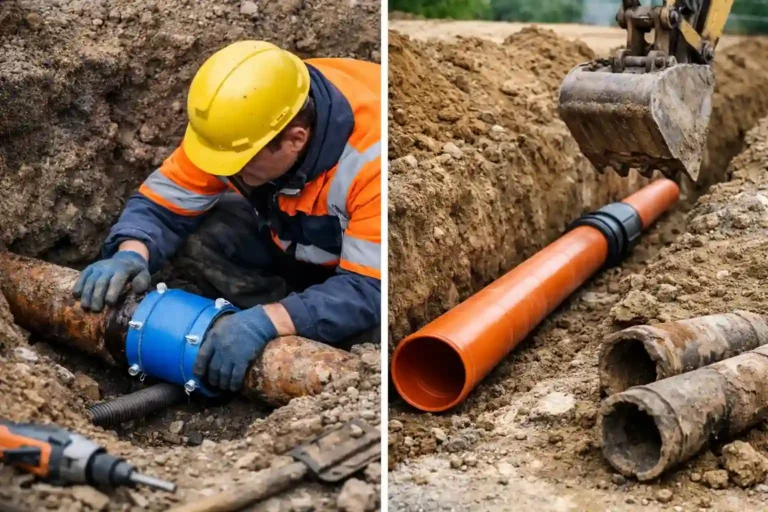
This is where professional equipment matters. A plumber can identify whether the issue is a dirty trap, blocked branch line, vent obstruction, or sewer line failure. In many cases, the fastest answer comes from drain machine clearing, hydro jetting, or a sewer camera inspection that shows exactly what is happening inside the pipe. That means less guessing, faster repair, and no surprise pricing halfway through the job.
How to keep drain odors from coming back
The best prevention is simple, but it has to be consistent. Keep grease, coffee grounds, food scraps, wipes, and heavy debris out of drains. Clean sink and tub stoppers regularly. Run water in rarely used drains from time to time so the traps stay full. If a drain starts slowing down, deal with it early instead of waiting for a full clog.
For landlords, property managers, and commercial operators, routine drain maintenance is usually cheaper than repeated emergency calls. Odors are often the first sign that a line needs attention. Catching that early can help avoid tenant complaints, downtime, water damage, and more expensive sewer repairs.
If you are still asking, why does my drain smell bad after cleaning it, that is usually the point where a deeper inspection makes sense. Surface cleaning helps when the problem is right at the opening. It does not fix a vent blockage, broken seal, hidden buildup farther down the line, or a sewer issue outside the building.
A drain should not make your home smell like sewage or leave your business smelling off to customers. If the odor keeps returning, gets stronger, or comes with slow drainage, act on it now. Fast plumbing attention usually means a smaller repair, a cleaner property, and one less problem hanging in the air.
Contact