Quick DIY Methods to Unclog Your Sink
Although clogs can be frustrating, there are several quick DIY methods you can use to restore your sink’s flow without calling a plumber.

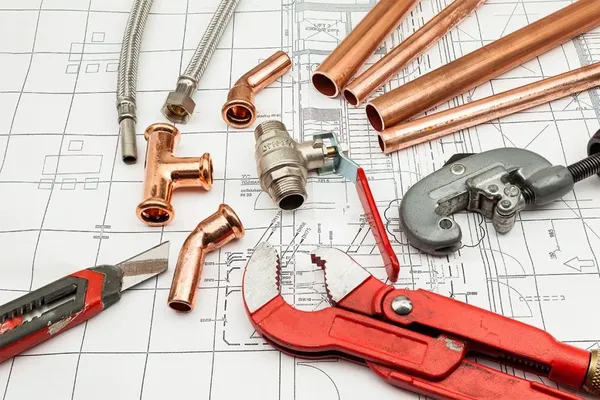
First, gather your DIY tools: a bucket, a wrench, and a plumber’s snake. Start by placing a bucket under the sink to catch any water. Remove the trap using the wrench; this often reveals the clog. Clean out any debris you find.
If that doesn’t work, insert a plumber’s snake into the drain to break up deeper blockages. Additionally, a mixture of baking soda and vinegar can help dissolve grease buildup; pour it down the drain, wait for 15 minutes, and flush with hot water.
Regular sink maintenance can prevent future clogs.
Using a Plunger Effectively
To unclog your kitchen sink effectively, you need the right plunger, typically a cup plunger for sinks.
Once you’ve selected the appropriate tool, mastering the proper plunging technique is essential for dislodging the blockage.
Understanding these steps will help you restore your sink’s functionality quickly.
Choose the Right Plunger
Choosing the right plunger is crucial for effectively unclogging your kitchen sink. Understanding plunger types and sizes will greatly influence your success. Here’s what to take into account:
- Cup Plunger: Ideal for sinks, this type features a flat rubber cup that creates a strong seal, enhancing suction.
- Flange Plunger: Best for toilets, its extended flange fits into drain openings, but it can also work for stubborn kitchen clogs.
- Size Matters: Verify your plunger’s cup diameter matches your sink drain. A larger cup provides better coverage and suction.
Selecting the appropriate plunger type and size not only boosts your efficiency but also minimizes frustration, making the unclogging process smoother and more effective.
Proper Plunging Technique
Mastering the proper plunging technique is essential for effectively clearing a clogged kitchen sink.
Start by guaranteeing the water level in the sink covers the plunger’s rubber cup. This creates the necessary seal for effective suction.
Firmly grip the plunger handle with both hands, maintaining a strong plunger grip. Position the cup directly over the drain, ensuring no air escapes.
With controlled force, push down and pull up rapidly, maintaining the seal. Repeat this motion for about 15-20 seconds, allowing the suction to dislodge the blockage.
If you notice resistance, adjust the angle slightly to guarantee peak contact.
After plunging, test the drain by running water to confirm the clog is cleared. If not, repeat as necessary.
The Baking Soda and Vinegar Method
One effective method for unclogging a kitchen sink involves using baking soda and vinegar, a combination that’s both simple and eco-friendly.
This approach utilizes the chemical reaction between baking soda and vinegar to break down clogs. Here’s how to do it:
- Pour 1 cup of baking soda down the drain.
- Follow with 1 cup of vinegar. You’ll notice fizzing; this is the vinegar reaction at work.
- Cover the drain with a stopper or cloth for about 15 minutes to contain the reaction.
Afterward, flush the drain with hot water to clear any remaining debris.
This method effectively removes minor clogs and helps maintain a clear drain without harsh chemicals.
Cleaning the P-Trap
When your kitchen sink is still clogged after using the baking soda and vinegar method, it’s time to check the P-trap, the curved pipe beneath the sink that traps debris and prevents it from entering the drainage system.
Begin by placing a bucket underneath to catch any water or debris. Carefully loosen the slip nuts on both ends of the P-trap using a wrench, then remove the trap.
Place a bucket beneath the sink, loosen the slip nuts, and carefully remove the P-trap for inspection.
Inspect it for clogs and clean it thoroughly with hot, soapy water. Regular P-trap maintenance is essential to prevent future clogs.
After cleaning, reattach the P-trap, ensuring a secure fit for effective drainage. If you’re installing a new P-trap, follow the manufacturer’s guidelines for proper installation and sealing.
Snake Your Drain
After ensuring the P-trap is clean, the next step is to snake your drain to tackle deeper clogs that may be beyond reach. A drain auger is one of the essential plumbing tools for this task.
Follow these steps to effectively snake your drain:
- Insert the Auger: Feed the drain auger into the drain opening until you encounter resistance.
- Rotate the Handle: Turn the handle clockwise to break up the clog, allowing the auger to advance deeper into the pipe.
- Retrieve the Auger: Pull the auger out slowly, bringing debris with it. Dispose of any collected material responsibly.
Chemical Drain Cleaners: Pros and Cons
Chemical drain cleaners can be a quick solution for stubborn clogs, but they come with important considerations.
While they effectively dissolve grease and debris, their harsh ingredients pose significant safety concerns. Always wear gloves and goggles when using these products, as they can cause skin burns and eye damage.
Chemical drain cleaners can dissolve tough clogs, but their harsh ingredients may cause skin burns and eye damage. Always prioritize safety.
Additionally, improper use can lead to dangerous chemical reactions, particularly if mixed with other cleaners.
Moreover, consider the environmental impact of these substances; many contain toxic chemicals that can harm aquatic ecosystems once they enter the water supply.
Before choosing a chemical drain cleaner, weigh the benefits against these risks, and explore alternative methods for unclogging your sink to guarantee a safer and more environmentally friendly approach.
When to Call a Professional Plumber
Deciding to call a professional plumber can save you time and prevent further damage to your plumbing system.
While some clogs can be fixed by you, it’s essential to recognize when to DIY and when to seek expert help.
Here are three signs of emergency that warrant a professional:
- Persistent Clogs: If multiple attempts at clearing the clog fail, it’s time to call in a pro.
- Foul Odors: Unpleasant smells may indicate a deeper issue, such as sewage backup.
- Water Damage: If you notice water pooling around your sink or under the cabinet, immediate action is necessary.
Don’t hesitate to reach out when these conditions arise; it’s better to address problems early than face costly repairs later.
Preventative Measures to Avoid Future Clogs
To prevent future clogs in your kitchen sink, establish a regular cleaning schedule.
This routine should include clearing out food debris and grease from the drain.
Additionally, practice proper disposal by never putting non-food items down the sink, ensuring smooth drainage.
Regular Cleaning Schedule
Regularly maintaining your kitchen sink can significantly reduce the risk of clogs.
Establishing a consistent cleaning schedule enhances sink hygiene and promotes effective kitchen maintenance.
Here are three essential practices to incorporate:
- Daily Rinsing: After each use, rinse the sink with hot water to prevent residue buildup.
- Weekly Deep Clean: Use a mixture of baking soda and vinegar weekly to eliminate odors and break down any grease that may accumulate.
- Monthly Inspection: Check for any signs of wear in plumbing fixtures and clean the drain trap to guarantee peak flow.
Proper Disposal Practices
Many homeowners underestimate the importance of proper disposal practices in preventing kitchen sink clogs. To maintain ideal drainage, you should avoid putting food scraps down the sink. Instead, utilize composting or a dedicated garbage disposal. When using a disposal unit, feed it small amounts of food to prevent overloading.
Grease disposal is equally critical; never pour fats, oils, or grease down the drain, as they solidify, leading to blockages. Allow grease to cool, then dispose of it in a sealed container.
Additionally, educate all household members on these practices to guarantee compliance. By following these guidelines, you considerably reduce the risk of clogs, maintaining a smooth-functioning kitchen sink.