Reliable KC Emergency Plumbing – Available 24 Hours
24/7 Emergency Plumbing in Kansas City: Fast Local Response
When a sudden plumbing failure puts your property or safety at risk, quick, decisive action matters. Our 24/7 emergency plumbers in Kansas City, MO focus on fast containment and repairs to limit water damage, health hazards, and service interruptions. This guide explains what qualifies as a plumbing emergency, how emergency response works, and practical steps homeowners and businesses can take while waiting for help. We’ll walk through common urgent repairs — burst pipes, sewer backups, gas leaks, water heater failures — and set realistic expectations for short-term containment versus permanent fixes. You’ll find clear signs to watch for, an emergency triage checklist, and a step-by-step look at how crews prioritize calls and arrive ready to protect your property. Read on for straightforward safety tips and local emergency-service guidance tailored to Kansas City residents and commercial properties.
What Is Considered a Plumbing Emergency in Kansas City?


In Kansas City, a plumbing emergency is any leak or system failure that risks immediate property damage, endangers health, or cuts off essential services — and that needs a licensed pro right away to stop the problem from getting worse. Fast leaks that soak structural materials, sewage backups that create contamination, and suspected gas-line issues that threaten occupant safety all qualify as emergencies because they can lead to major water damage, mold, carbon-monoxide exposure, or explosion risk.
Spotting an emergency quickly lets you take containment steps that can significantly reduce repair scope and cost. It also helps you explain the situation clearly when you call so responders bring the right equipment and technicians.
Below are common emergency examples and when you should call an emergency plumber immediately:
- Burst Pipe: A sudden surge of water, rapidly spreading damp, or a sudden loss of water pressure indicating a rupture.
- Sewer Backup: Sewage appearing in drains or on floors, strong sewage odors, or multiple fixtures draining slowly.
- Gas Leak: A noticeable rotten-egg smell or hissing noise near meters — evacuate at once and avoid anything that could spark.
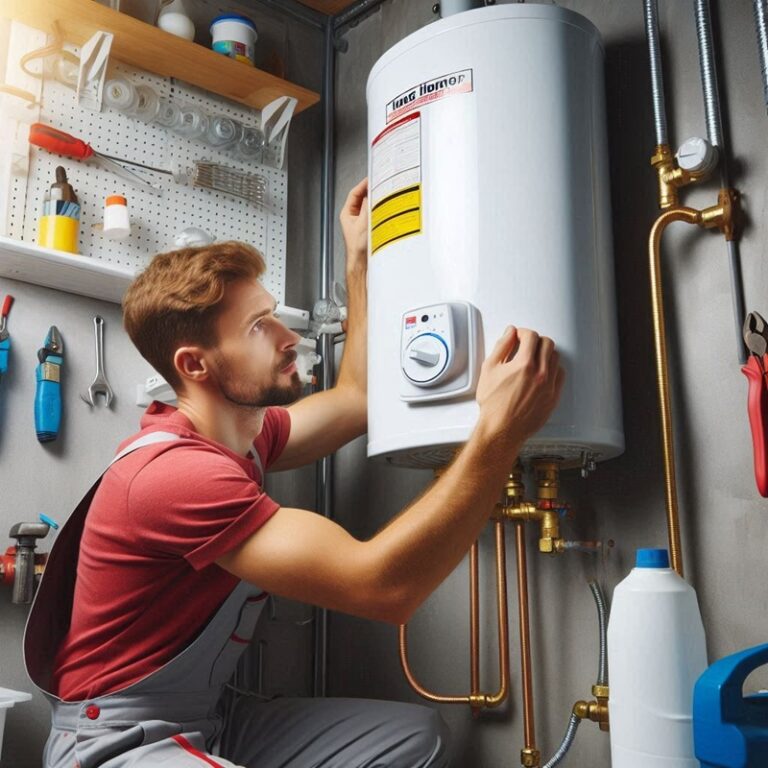
- Water Heater Failure: A leaking tank, scalding water, or total loss of hot water accompanied by pressure or tank damage signs.
- Major Clogs Causing Overflow: Toilets or drains overflowing into living spaces or multiple fixtures backing up, suggesting a systemic blockage.
Quick homeowner actions reduce damage and protect people. Shut off water at the nearest valve or the main, stop appliances that use water, and leave the building if you smell gas — then report the situation clearly when you contact an emergency plumber. Kansas City Plumbers Today is a trusted local emergency resource serving the metro area and can be contacted for urgent assistance.
Use the table below to spot warning signs and take safe, immediate steps before professionals arrive. It maps common emergencies to clear signs and short-term homeowner actions you can take right away.
These quick-reference tips help you triage incidents and give emergency dispatchers clear, actionable details — that speeds response and limits secondary damage.
Which Plumbing Issues Require Immediate Attention?
Burst pipes, sewer backups, and suspected gas leaks require immediate attention because each can escalate quickly into structural damage, contamination, or life-threatening danger. A burst pipe can flood ceilings and walls within minutes, driving up repair and mold-remediation costs. A sewer backup brings biologically contaminated water into living areas and needs professional cleanup.
Gas leaks are a safety-first emergency: they risk explosion and poisoning and require evacuation and trained technicians with gas-detection tools. Simple homeowner steps — shutting off valves, isolating affected areas, and turning off electrical breakers near water – slow the spread and preserve the scene for diagnostics and insurance.
Knowing these urgency levels helps you give dispatchers the right information when requesting an emergency plumber in Kansas City so crews arrive prepared and act fast.
24/7 Emergency Plumbing in Kansas City: Fast Local Response
Fast, reliable emergency plumbing hinges on good triage, quick dispatch, and crews who arrive ready to stop damage. Our dispatchers prioritize calls that indicate immediate property or safety risk and send the nearest qualified crew while briefing them on the scene so technicians bring the correct emergency toolkit. On arrival, crews focus first on containment — shutoffs, temporary patches, and water extraction – then perform a targeted diagnosis to decide whether a temporary repair or full replacement is needed. Clear communication about timelines and next steps helps property owners plan mitigation while permanent repairs are scheduled.
We’re a local home services company serving the Kansas City metro, specializing in urgent plumbing, electrical, and HVAC solutions. Our core focus is rapid-response, round-the-clock emergency plumbing. Our primary service – 24/7 Emergency Plumbing – covers immediate response and repair for burst pipes, severe clogs, water heater failures, sewer backups, and gas leaks. Key advantages we offer: true 24/7 availability, rapid prioritization, multi-trade capability, problem-solving technicians, dependable crews, and a streamlined request and booking process.
What technicians bring and do matters. Our emergency crews arrive in service vehicles stocked with shut-off tools, pipe clamps, inspection cameras, and pump equipment. They use camera inspections and pressure testing to pinpoint failures, then isolate and stabilize the problem to prevent further damage. Scheduling follow-up permanent repairs and documenting work for insurance are standard parts of the emergency workflow.
What Emergency Plumbing Solutions Do We Offer?

Our Kansas City emergency crews follow a containment-first approach, then plan repairs so homes and businesses are safe and usable as soon as possible. Common emergency interventions include temporary pipe clamping, emergency drain clearing and hydro-jetting to prevent overflow, quick water-heater isolation and temporary fixes or component replacement when safe, and sewer bypassing or pumping to stop backups. We also perform gas-line checks with utilities and secure systems until permanent repairs can be completed. Each action is chosen to stop active damage first, then enable thorough repairs once conditions are stabilized.
- Temporary containment: Clamp or isolate leaks to stop active water flow.
- Emergency drain clearing: Clear blockages that threaten overflow or backups.
- Water heater triage: Isolate, relieve pressure, make temporary repairs or recommend replacement.
- Sewer mitigation: Pump and sanitize affected areas and arrange trenchless or replacement work when needed.
These solutions prioritize safety and restoring basic function so you can return to normal and plan permanent repairs without ongoing risk.
Why Choose Kansas City Plumbers Today for 24/7 Emergency Plumbing in Kansas City?
Choosing an emergency provider comes down to predictable response times, technician capability, and clear communication during stressful events. Those three things are what Kansas City property owners should expect. Reliable emergency teams are available 24/7, prioritize the most serious calls, and send trained technicians who arrive ready to contain damage and explain options. For homeowners and businesses, providers that also handle electrical and HVAC issues can coordinate multi-trade responses when emergencies cross systems – reducing delays and helping properties return to safe operation faster.
Here are the most important benefits to consider when selecting an emergency plumbing partner:
- 24/7 Availability: We respond any time, including nights and holidays, to limit ongoing damage.
- Priority Rapid Response: Triage and dispatch protocols designed to shorten on-site wait times.
- Comprehensive Home Services: Ability to handle plumbing, electrical, and HVAC interactions in one coordinated visit.
- Problem-Solving Focus: Technicians trained to stabilize, diagnose, and recommend cost-effective permanent solutions.
- Reliability and Streamlined Booking: A clear service process and predictable communication when it matters most.
When you compare providers, think about how each advantage translates into faster containment, lower total repair costs, and less business interruption.
We’re a local home services company serving the Kansas City metro area, focused on rapid-response, round-the-clock emergency plumbing and related services. Our primary offering – 24/7 Emergency Plumbing Service – covers immediate response and repair for burst pipes, severe clogs, water heater failures, sewer backups, and gas leaks. Our local reputation is built on availability, quick prioritization, multi-trade capability, practical problem solving, and a simple, reliable booking process.
What Are Our Unique Value Propositions for Emergency Plumbing?
Understanding the practical benefits behind our service helps property owners choose a partner that shortens downtime and reduces repair scope when emergencies happen. A containment-first philosophy limits water and contamination exposure right away, which cuts restoration costs and speeds recovery. Priority dispatch reduces waiting and accelerates mitigation. Multi-trade capability prevents delays when electrical or HVAC hazards are present alongside plumbing failures.
Clear communication after assessment – estimated timelines, temporary vs. permanent options, and documentation for insurance – reduces uncertainty and helps owners make informed decisions under pressure. Finally, a standardized emergency toolkit and inspection equipment let technicians stop damage quickly and capture evidence for accurate diagnosis and follow-up repairs.
How Does Our Emergency Plumbing Process Work from Call to Resolution?
Our emergency process follows a predictable sequence so callers know what to expect and crews can act decisively: Call → Priority Dispatch → On-site Containment → Diagnosis → Repair Plan → Follow-up.
When we receive an emergency call, dispatchers gather key details — the type of issue, any hazards, and the exact location – to prioritize response. Crews are routed based on proximity and required equipment and arrive prepared to isolate the hazard, stop active leaks, and stabilize the scene. After containment, technicians run targeted diagnostics with cameras and pressure tests to determine whether a temporary repair is adequate or a full replacement is needed; they then explain costs, timelines, and restoration steps.
- Call: Give concise information about the leak, smells, or overflow.
- Dispatch: The nearest qualified crew is routed with the right equipment.
- Containment: Immediate shutoff, clamping, or pumping to stop active damage.
- Diagnosis: Camera and pressure tests identify the root cause.
- Repair Plan: Temporary fixes are applied and permanent repair options presented.
- Follow-up: Photos, documentation, and scheduling for full repairs and insurance support.
This clear sequence reduces uncertainty for property owners and lets technicians focus on safety and efficient restoration, which shortens total downtime and repair costs.
The table below maps each process step to typical on-site actions and expected outcomes so you know what to expect from first contact through resolution.
These process steps set realistic expectations for how emergency plumbing incidents are handled from first contact through final resolution.
What Steps Ensure Fast Response and Effective Repairs?
Fast response and effective repairs rely on two aligned factors: dispatcher triage that correctly prioritizes risk, and homeowner readiness that enables quick access and information transfer. Dispatch protocols that flag high-risk indicators – visible flooding, active sewage, or a gas smell — trigger immediate routing of crews with specialized equipment, while crews stay prepared with stocked vehicles and diagnostic tools. Homeowners speed the process by knowing where shut-off valves are, keeping access clear to damaged areas, and having basic incident details ready (when the problem started, which fixtures are affected).
- Dispatcher actions: Triage based on reported severity and send the nearest qualified crew.
- Technician readiness: Pre-staged equipment and quick containment protocols to reduce escalation.
- Homeowner preparation: Clear entry, shut-off knowledge, and incident photos to speed diagnostics.
When both sides act quickly and cooperatively, emergency interventions move from temporary fixes to efficient, evidence-based repair plans that restore function and limit long-term damage.
Which Common Plumbing Emergencies Do We Repair in Kansas City?
Our emergency crews routinely handle a focused set of urgent problems that, if left untreated, cause major damage or safety hazards. These include burst pipes, sewer backups, severe clogs, water heater failures, gas leaks, and frozen or thawing pipe incidents. Each emergency follows a diagnostic pathway: contain the problem, identify the root cause, decide whether a temporary or permanent repair is needed, then carry out the repair. For example, a localized pipe rupture may be patched or rerouted to restore service immediately and schedule a permanent replacement, while a damaged sewer line might require emergency pumping followed by camera inspection and trenchless repair planning. We explain expected time-to-resolve and next steps so owners can coordinate repairs and insurance claims.
How Do We Handle Burst Pipe Repairs and Prevention?
Our burst-pipe response focuses first on rapid isolation and limiting damage, then on assessing whether to repair or replace. On arrival, technicians locate the shut-off, isolate the broken run, and apply temporary clamps or couplings to stop flow; they then dry affected areas to reduce mold risk and document the failure. Repair choices depend on accessibility and pipe condition: small ruptures often get a section replacement, while widespread corrosion or inaccessible runs may need rerouting. Preventive steps we recommend include insulating exposed lines, installing pressure regulators, and scheduling routine inspections to catch corrosion before it fails. Those measures lower the chance of recurrence and help preserve system integrity.
How Can Homeowners and Businesses Prepare for and Respond to Plumbing Emergencies?
Preparation shortens response times and limits damage. Key steps include knowing the locations of main water and gas shut-off valves, keeping a simple emergency kit (flashlight, basic tools, buckets, towels), and keeping a short contact list of local emergency service providers. Marked shut-offs and clear access paths let technicians act immediately when they arrive, and photographing problem areas before cleanup helps with insurance claims. For businesses, documented shut-off procedures and staff training reduce downtime and employee risk. Proactive maintenance — winterizing pipes and scheduling sewer inspections – also lowers the chance of emergencies.
Use this checklist to prepare now so you’re ready to act if an emergency happens.
- Locate shut-off valves: Identify and label main water and gas shut-offs.
- Assemble an emergency kit: Towels, buckets, basic tools, and a flashlight.
- Document systems: Keep recent photos, manuals, and service records accessible.
- Plan access: Keep clear paths to crawlspaces, basements, and utility areas for technicians.
- Schedule preventive inspections: Regular sewer camera checks and pipe inspections reduce surprises.
These simple preparations speed professional response and minimize damage, making repairs faster and less costly.
What Should You Do While Waiting for Emergency Plumbing Assistance?
While you wait for an emergency plumber, prioritize safety, containment, and gathering useful information to help technicians diagnose the problem. If you suspect a gas leak, evacuate immediately and avoid using electronics or open flames; call emergency services from a safe location. For water incidents, shut off the nearest valve or the main, move valuables away from standing water, and use towels and buckets to limit spread. Photograph affected areas and note what you observed — timing and symptoms — to share with the technician on arrival. Keep pets and vulnerable occupants away from contaminated or flooded zones.
- Safety first: Evacuate if you smell gas; avoid electrical hazards around water.
- Contain: Shut off valves if it’s safe to do so; use towels and buckets to limit spread.
- Record: Photograph damage and note timing for insurance and diagnostics.
- Prepare access: Clear obstructions so technicians can work without delay.
- Communicate: Give dispatch concise incident details so crews arrive prepared.
Taking these prioritized steps in the first 5–30 minutes reduces property loss and speeds professional repair, letting technicians move directly to containment and diagnosis.
We’re a local home services company serving the Kansas City metro area, specializing in urgent plumbing, electrical, and HVAC solutions. Our focus is on rapid-response, round-the-clock emergency plumbing. Our 24/7 Emergency Plumbing Service includes immediate response and repair for burst pipes, severe clogs, water heater failures, sewer backups, and gas leaks. Core advantages: true 24/7 availability, fast prioritization, multi-trade capability, problem-solving technicians, dependable crews, and a simple booking process.
This summary outlines our service focus and core capabilities so you know what to expect from an emergency provider. When in doubt, prioritize safety and call a qualified local crew for immediate assistance.