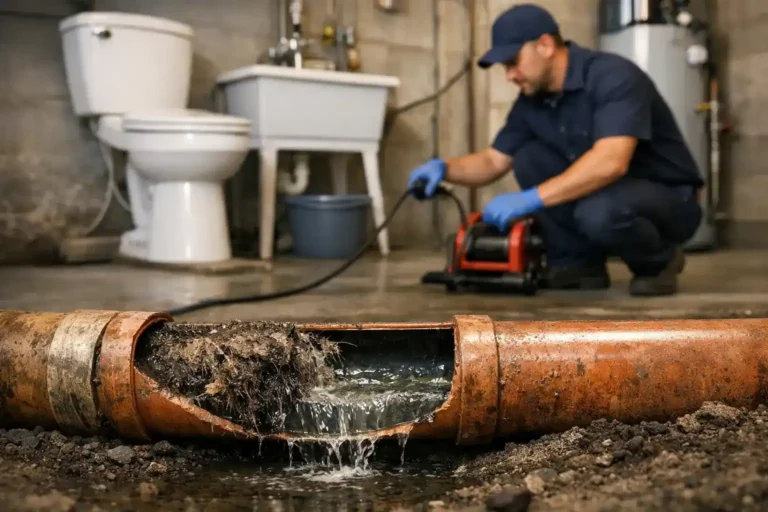
Imagine returning home to find discolored, foul-smelling water flowing from your tap. This scenario highlights the critical importance of backflow prevention in protecting your water supply. Understanding how backflow can compromise the quality of your drinking water is the first step towards safeguarding your health and the well-being of your community. Stay tuned to discover how simple yet effective backflow prevention measures can make a significant impact on water safety.
Key Takeaways
- Backflow prevention maintains water safety and quality.
- Check valves and backflow preventer assemblies are essential devices.
- Different types of preventers cater to specific needs.
- Regular testing and maintenance ensure optimal functionality.
- Proper installation by professionals and adherence to local codes are crucial.
Importance of Backflow Prevention
Backflow prevention is crucial in maintaining the safety and quality of water supplies. It's a process that ensures water flows in only one direction, preventing any contamination or pollution from entering the clean water supply. By implementing backflow prevention devices, such as check valves and backflow preventer assemblies, the risk of waterborne diseases and pollutants infiltrating the water system is significantly reduced.
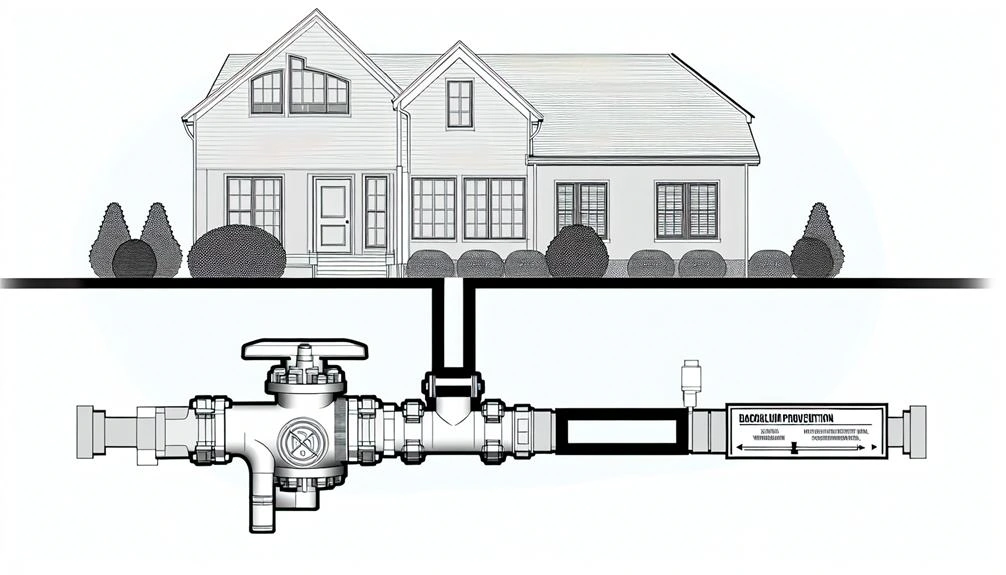
These backflow prevention mechanisms work by creating a physical barrier that stops water from reversing its flow direction. Check valves, for example, only allow water to flow in one direction, automatically closing to prevent any backflow. Backflow preventer assemblies are more complex devices that provide multiple barriers against backflow, including air gaps and mechanical systems.
Without proper backflow prevention measures in place, there's a high risk of cross-contamination between the clean water supply and potentially contaminated sources. This can result in serious health hazards for consumers and compromise the overall quality of the water supply. Therefore, it's essential to prioritize backflow prevention to safeguard public health and maintain water purity.
Risks of Water Contamination
Water contamination poses significant risks to public health and the integrity of water supplies. When backflow occurs, it can allow contaminants to enter the clean water supply, leading to potential health hazards. Cross-connections between potable water systems and non-potable sources can result in the backflow of substances such as chemicals, bacteria, and other pollutants. These contaminants can cause illnesses, gastrointestinal issues, and in severe cases, even fatalities if consumed.
Moreover, backflow can occur due to back-siphonage or back-pressure events, where the normal flow direction is reversed. Back-siphonage happens when there's a sudden drop in pressure in the potable water system, causing a vacuum effect that draws contaminants into the water supply. On the other hand, back-pressure occurs when the pressure in the non-potable system exceeds the pressure in the potable water system, forcing the contaminated water to flow back into the clean water supply.
Preventing backflow is crucial in safeguarding public health and maintaining water quality standards. Proper backflow prevention devices play a vital role in mitigating the risks associated with water contamination.
Functionality of Backflow Prevention Devices
Effective backflow prevention devices rely on a series of valves and mechanisms to maintain the integrity of water supply systems. These devices work by creating a physical barrier that prevents contaminated water from flowing back into the clean water supply.
One of the key components of backflow prevention devices is the check valve, which allows water to flow in one direction only. In the event of a pressure drop in the main water supply, the check valve automatically closes to stop any reverse flow.
Additionally, backflow prevention devices often incorporate an air gap, which is a vertical space between the water outlet and the flood level of a fixture. This air gap acts as a non-mechanical backflow prevention method by ensuring that even if backflow occurs, there's a physical space that prevents contaminated water from re-entering the clean water supply.

Types of Backflow Preventers
In the realm of water supply system protection, various types of backflow preventers are designed to cater to specific needs and scenarios. One common type is the double-check valve assembly, which consists of two independently operated check valves. This assembly is effective in preventing backflow in low hazard applications.
Another type is the reduced pressure zone (RPZ) assembly, which includes two check valves separated by a pressure-reducing chamber. RPZ assemblies are suitable for high hazard situations where contamination must be avoided at all costs.
Additionally, the pressure vacuum breaker (PVB) is a backflow preventer that uses a check valve and an air inlet valve to protect against back-siphonage. PVBs are often used in outdoor water systems.
Installation and Maintenance Guidelines
For proper functioning of backflow preventers, adherence to specific installation and maintenance guidelines is crucial. Here are three key guidelines to ensure the effectiveness of your backflow preventer:
- Proper Installation: Backflow preventers should be installed by qualified professionals following the manufacturer's guidelines and local plumbing codes. Ensure the backflow preventer is placed in a location that allows easy access for testing and maintenance.
- Regular Testing: Periodic testing of backflow preventers is essential to verify their functionality. Testing should be conducted by certified testers to ensure accurate results. Any malfunction should be promptly addressed to maintain protection against backflow.
- Routine Maintenance: Regular maintenance is necessary to keep the backflow preventer in optimal condition. This includes inspections for leaks, cleaning of components, and replacement of worn parts. Follow a maintenance schedule recommended by the manufacturer to prevent failures and ensure continuous backflow protection.
Compliance With Backflow Regulations
Adhering to backflow regulations is imperative for ensuring the proper functioning and compliance of your backflow preventer system. Compliance with these regulations involves understanding the specific requirements in your area, which may include regular testing, maintenance, and documentation of your backflow preventer system. It's essential to stay up to date with any changes in regulations to avoid penalties and protect the quality of your water supply.
One crucial aspect of compliance is conducting annual backflow preventer tests by a certified professional. These tests ensure that your system is working correctly and preventing any backflow contamination. Keeping detailed records of these tests is vital for demonstrating compliance during inspections.
Additionally, following proper installation and maintenance guidelines is essential for meeting backflow regulations. Regular inspections, timely repairs, and prompt replacements of faulty components are necessary to keep your backflow preventer system in compliance with regulations. By staying proactive and attentive to these requirements, you can guarantee the effectiveness and legality of your backflow preventer system.
Kansas City Plumbers Today offer fast, reliable home services for plumbing installation or repair, HVAC and professional electrical services.

With extensive experience in handling common and complex issues or emergency service, our team saves you time and money, ensuring your home services are conducted with the utmost professionalism and efficiency.